Staircase Upgrades That Can Transform the Look and Feel of Your Home
April 30, 2026


A staircase is often one of the first features noticed when entering a home, yet it is frequently overlooked during renovation planning. With the right upgrades, it can shift from a purely functional structure into a striking focal point that shapes the overall feel of the interior. For homeowners working with stair builders in Wollongong, Coastal Stairs highlights how carefully chosen upgrades can create a strong visual impact while improving everyday use.
This article explores which staircase upgrades create the most noticeable transformation and why. It examines how balustrades, handrails, treads, lighting and materials influence the look and feel of a home, while also explaining how to balance visual appeal with safety, durability and the existing style of the property.
A staircase usually occupies a central or highly visible position in the home, so it naturally draws attention. It connects levels, frames key sightlines and influences how open, spacious and cohesive an interior feels. Because it is seen from multiple angles, even small changes to its shape, finish or detailing can have a noticeable effect on the surrounding rooms.
Unlike many features that sit flat against a wall, a staircase projects into the space. Treads, risers, handrails and balustrades all contribute to its visual presence. When these elements look dated, bulky or worn, the whole entry or hallway can feel tired. When they are updated with the right materials and proportions, the staircase can make the entire home feel more considered.
Many homes place the staircase close to the entry or within the main circulation area. This makes it a natural focal point that visually anchors the surrounding spaces. Even a simple upgrade, such as replacing a handrail, refinishing timber treads or changing the balustrade style, can lift the perceived quality of the entire area.
Because a staircase spans vertical space, it also draws the eye upward. A well-designed flight can make ceilings feel higher and rooms feel larger, while an outdated or heavy staircase can visually crowd an otherwise open hallway. In open-plan layouts, the staircase often sits in direct view of living and dining areas, so its design needs to work from several perspectives.
The geometry of a staircase creates strong visual lines. Treads, risers, stringers and balustrades form repeating patterns that are immediately noticeable. Slim balusters, glass panels and clean handrail profiles can create a more contemporary look, while thicker posts, ornate spindles and dark finishes tend to feel more traditional.
Staircases also have a strong relationship with natural light. Open risers, glass balustrades and lighter finishes allow light to move more freely through the home. Solid risers, dark stains and heavy timber rails can absorb light and make a stairwell feel more enclosed. In coastal homes around Wollongong, where natural light and a fresh interior feel are often important, lighter materials and open detailing can make a significant difference.
A staircase is experienced up close every day. Hands run along the handrail, feet feel the treads and the eye naturally notices joins, finishes and surface wear. This means dated detailing, damaged timber, worn coatings or poor workmanship are easy to spot.
For this reason, even subtle improvements can feel substantial. Refinishing timber to reveal its natural grain, replacing tired balusters with cleaner profiles or adding a more refined handrail can give the staircase a stronger sense of craftsmanship. These changes do not always require a full rebuild, but they can make the space feel newer, cleaner and more carefully finished.
The most transformative staircase upgrades are usually the most visible elements: treads, risers, balustrades, handrails and lighting. These features shape the staircase’s style, affect how light moves through the home and influence how the structure feels in daily use.
The best results come from choosing upgrades that suit the home’s architecture and the surrounding interiors. A coastal home may benefit from lighter timber, glass, stainless steel and soft neutral finishes, while a more traditional home may suit painted timber balusters, detailed posts and classic handrail profiles.
Treads and risers dominate the visual field, so changes here can dramatically alter the staircase. Replacing dark or worn treads with lighter timber or engineered boards can immediately brighten the space. Oak, ash and light-stained pine work well in coastal-style interiors because they create a relaxed, sun-washed appearance.
Painting risers in crisp white or a soft neutral can create contrast with timber treads and frame each step clearly. This combination works especially well where the goal is to make the stairwell feel brighter without overcomplicating the design. For a more contemporary look, simple treads with minimal nosing and clean riser lines can make the staircase feel more streamlined.
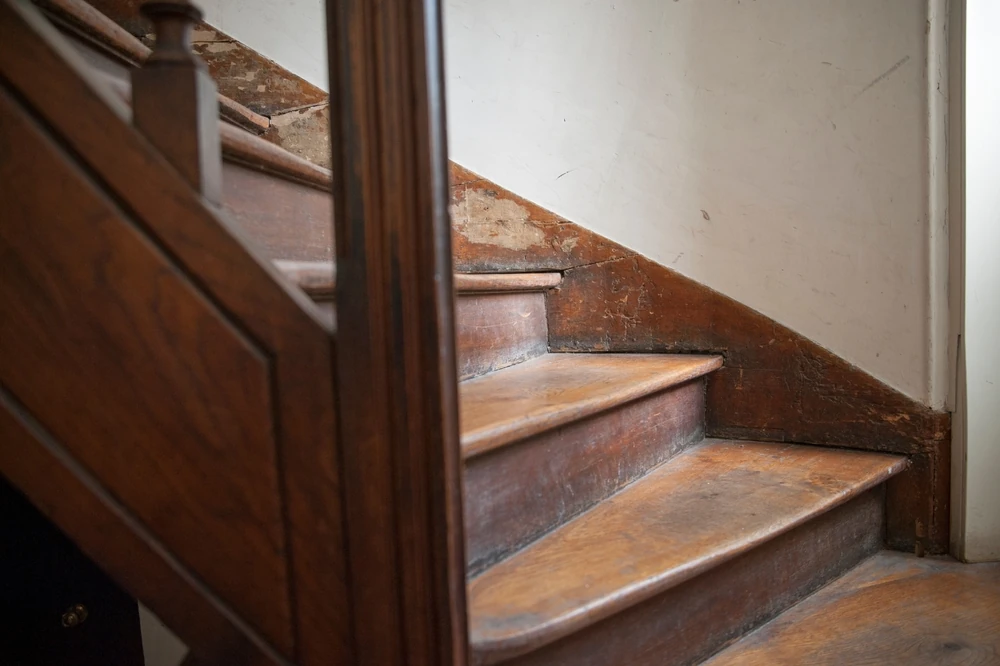
Where the existing staircase is structurally sound, refinishing may be enough. Sanding, staining and sealing old timber can remove dated orange or red tones and replace them with a more natural finish. Satin and matte coatings usually feel more current than high-gloss finishes and are often better at softening the overall look.
Balustrades and handrails set the style tone of the staircase. Heavy turned posts, ornate spindles and bulky rails can make a home feel dated, while cleaner lines can immediately modernise the space. Replacing these elements is often one of the most effective ways to refresh an older staircase without changing the main structure.
For a classic coastal look, white-painted balusters paired with a natural timber handrail work well. This keeps the staircase light while still adding warmth. For a more modern effect, glass balustrades allow light to pass through and keep sightlines open, which can be especially useful in entries, stair voids and homes with views.
Cable or rod balustrades can also suit coastal homes when the materials are chosen carefully. Stainless steel hardware provides a clean, nautical reference, but quality and corrosion resistance matter in areas exposed to salt air and humidity. Whatever the style, balustrades and handrails must feel solid, comfortable and compliant with current building requirements.
Lighting is often overlooked, but it can transform both safety and atmosphere. Recessed step lights, LED strip lighting under stair nosings or low wall lights can create a soft guiding glow at night while highlighting the shape of the staircase. Warm white lighting, generally around 2700K to 3000K, tends to feel more inviting than cooler lighting in residential interiors.
A dated pendant or ceiling light above a stair void can also make the whole area feel older than it is. Replacing it with a simple sculptural fitting, a coastal-inspired pendant or a clean modern fixture can refresh the entire space. The right light fitting should suit the scale of the stairwell and connect with the surrounding finishes.
Small details also matter. Updated handrail brackets, refined base plates, simple end caps and cleaner junctions between stair, wall and floor can make the staircase feel more polished. When hardware, timber finishes, paint colours and lighting are coordinated, the staircase reads as a deliberate design feature rather than a purely practical structure.
Modernising an older staircase does not always require a full replacement. In many homes, the main structure may still be sound, while the finishes, colours and detailing are what make it look dated. A careful upgrade can keep the bones of the staircase while giving the space a fresher and more current appearance.
The first step is to identify what is working and what is not. A well-built timber staircase may only need sanding, a new stain and updated balustrades. A dark, enclosed stairwell may benefit from lighter colours, improved lighting and a less bulky handrail. A staircase with good proportions but dated details may simply need cleaner profiles and more refined finishes.
Older staircases often feel heavy because of dark timber, thick posts, closed detailing or bulky stringers. Reducing this visual weight can make the area feel more open without altering the entire staircase. Painting stringers to match the wall or risers can help them recede, while lighter treads and slimmer balustrades can reduce visual bulk.
If the staircase feels enclosed, replacing solid or heavy balustrade sections with glass, slim timber or metal elements may help light travel through the space. In narrow hallways, this can make the area feel less cramped. However, any changes to openings, risers or balustrades should be assessed against relevant safety requirements before work begins.
Colour is one of the simplest tools for modernising a staircase. Replacing dark stains with lighter neutrals can instantly make the stairwell feel fresher. White or soft grey risers with pale timber treads create a calm coastal palette that works well with many Australian interiors.
For homes with existing timber floors, the stair finish should visually connect with the flooring rather than clash with it. This does not always mean an exact match, but the tone should feel related. A warm oak stair can sit comfortably with pale floorboards, while a cooler timber may suit homes with grey-based flooring or more contemporary finishes.
The key is to avoid treating the staircase as a separate design feature. Its colours should connect with the walls, trims, floors and nearby joinery so the finished result feels integrated.
Many older staircases feel dated because of decorative scrollwork, carved brackets, elaborate trims or heavy moulded rails. Removing or simplifying these elements can make a significant difference. Clean lines generally feel more current and are easier to match with modern flooring, lighting and furniture.
This does not mean every older staircase needs to become minimalist. In period-style homes, some detail may be appropriate and worth keeping. The goal is to simplify anything that feels overly busy while retaining the character that suits the home. A traditional stair profile can still feel fresh when paired with lighter paint, natural timber treads and updated hardware.

In coastal areas such as Wollongong, staircase materials need to be chosen for both appearance and performance. Salt air, humidity, sunlight and changing temperatures can affect finishes, fixings and coatings over time. A staircase upgrade should look good when first installed, but it also needs to hold up to daily use and local conditions.
Timber, glass, steel and painted finishes can all work well, but each material has different maintenance needs. The right choice depends on the home’s style, the amount of natural light, the level of exposure and how much upkeep the homeowner is prepared to manage.
Timber remains one of the most versatile staircase materials. It adds warmth, texture and a sense of craftsmanship, making it suitable for both traditional and contemporary homes. Lighter timbers such as oak, ash and pine can suit coastal interiors, while richer stains may work better in homes with darker floors or more formal detailing.
The finish is just as important as the timber itself. A matte or satin coating usually feels more modern and can help soften the appearance of the staircase. Clear finishes allow the natural grain to show, while painted finishes can help connect the staircase with trims, skirting boards and wall colours.
Glass balustrades are highly effective when the goal is to open up a stairwell. They allow light to move through the space and reduce visual barriers between rooms or levels. This can be especially useful in homes with views, narrow entries or darker internal staircases.
However, glass requires regular cleaning, particularly in coastal environments where salt haze, fingerprints and dust can be more noticeable. It also needs to be installed correctly using appropriate glass types, fixings and support systems. When used well, glass can create a clean and contemporary look without making the staircase feel visually heavy.
Metal balustrades, rods, cables and handrail brackets can provide strength and a crisp architectural finish. Powder-coated steel, stainless steel and aluminium can all be used depending on the design and exposure level. In coastal homes, corrosion resistance should be considered carefully, particularly for fixings and exposed components.
Black metal can create a bold modern contrast, while white or brushed finishes often feel softer in coastal interiors. The choice should connect with other hardware in the home, such as door handles, window frames, tapware or lighting fixtures.
A staircase upgrade should improve the look of the home, but it also needs to remain safe, comfortable and practical. The most successful designs balance visual appeal with the way the stairs are used every day. This is especially important in family homes, investment properties and homes where children, older adults or frequent visitors use the staircase.
Safety should be considered from the beginning, not added at the end. Handrail height, balustrade spacing, tread surface, lighting and slip resistance all affect how the staircase performs. Older stairs may also need to be checked carefully because they may not meet current expectations once upgrades begin.
A staircase may look impressive, but it still needs to feel comfortable underfoot and easy to use. Treads should provide secure footing, handrails should be easy to grip and lighting should make each step visible. Very glossy finishes, overly narrow treads or poorly positioned lights can reduce usability even if the design looks attractive.
Material choice also affects maintenance. Glass balustrades may need regular cleaning, dark finishes may show dust and scratches more easily, and high-traffic timber may need periodic resealing. Choosing materials that suit the household’s lifestyle will help the staircase remain practical after the initial upgrade is complete.
Any major staircase upgrade should be considered alongside relevant building requirements. Changes to balustrades, handrails, open risers, stair dimensions or structural components can affect safety and compliance. This is particularly important when modifying older staircases, as existing details may not align with current standards.
A professional stair builder can assess what can be retained, what should be replaced and what needs to be upgraded for safety. This helps prevent a renovation from creating issues with fall protection, spacing, structural support or future property inspections.
A staircase that once served a purely practical role can become one of the most defining features of a home when approached with clear design intent. Updating treads, balustrades, handrails, lighting and finishes can make an entry, hallway or living area feel brighter, more open and more cohesive.
The best results come from choosing upgrades that suit the home’s architecture, coastal conditions and everyday use. When visual impact, safety and material performance are considered together, the staircase becomes more than a way to move between levels. It becomes a lasting design feature that improves both the appearance and function of the home.

