Staircase Renovation Ideas That Transform Older Homes
March 20, 2026


Staircases in older homes often carry remarkable character, yet they are also one of the most overlooked areas when it comes to renovation. At Coastal Stairs, we see every staircase as an opportunity to reshape how a home feels and functions. Thoughtful updates can open up dark landings, improve safety, introduce coastal lightness and even increase property value without stripping away the original charm that makes period properties so special.
Readers will discover how design choices in material colour detailing and layout can completely transform an ageing staircase into a striking feature that anchors the whole interior. Coastal Stairs shares insight on integrating modern balustrades and handrails, refreshing treads and risers, improving natural light around the stair and enhancing safety and accessibility in older structures. The article also looks at how to retain heritage features while introducing sleek coastal finishes that feel fresh and timeless. By the end, homeowners will understand the key renovation options available, how each one changes the look and feel of a space and why investing in a well-designed staircase can redefine the experience of their entire home.
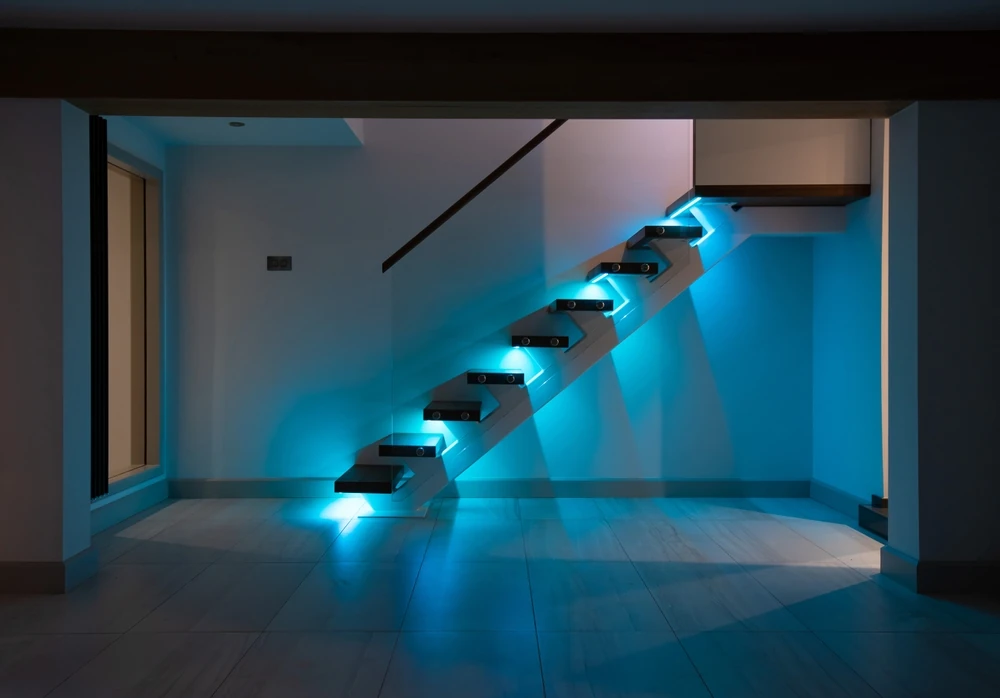
Modernising an outdated staircase is one of the most effective ways to lift the look of an older coastal home without a full structural renovation. With the right blend of materials, colours and lighting, a tired stairwell can become a bright focal point that feels current and better connected to the rest of the interior.
The visible parts of each step have the biggest influence on how contemporary a staircase feels. In many older homes, treads are dark orange timber and risers are scuffed, stained or heavily varnished.
A modern look often starts with lightening the timber. Sanding back existing treads and refinishing them in a natural or pale stain can immediately shift the feel of the stair. Pairing clear-finished treads with painted white risers is a classic way to brighten a narrow stairwell and works especially well in coastal interiors.
If the structure is sound but visually heavy, it can also help to:
For very worn staircases, new hardwood or engineered treads fitted to the existing structure can provide a fresh start without rebuilding the entire flight. Where finishes are being changed, it is also worth thinking about slip resistance so the upgraded stair is not only better looking but safer to use. The NCC sets requirements for stair tread and nosing slip resistance for new building work, so this should be checked as part of the design and specification process.
Balustrades date a staircase more than almost any other element. Ornate turned posts or bulky timber panels often make a home feel older and more enclosed than it really is. Replacing these with a cleaner system is one of the quickest ways to modernise the space.
Frameless or semi-frameless glass balustrades can open up the stairwell and allow natural light to travel more freely between levels, which suits many coastal homes. Where privacy, cleaning or budget is a concern, slim vertical balusters in timber or powder-coated steel can provide a lighter, more current alternative to heavy spindles.
Handrails can also be simplified. Stair builders in Wollongong commonly recommend:
The aim is to create thinner, less cluttered lines that make the staircase feel lighter and more connected to adjacent spaces. Any balustrade or handrail upgrade should also be checked against current NCC requirements for height, openings and handrail provision as they apply to the work being carried out. For housing work covered by the NCC Housing Provisions, barriers are generally required to meet height and opening limits, and a handrail is generally required on at least one side of a stair flight.
Colour choices have a major impact on how a staircase appears. Off-white or soft grey on stringers and risers with warm pale timber treads can create an immediate contemporary coastal look. Very yellow varnishes often emphasise age and visual heaviness, so many renovators move towards clearer, more neutral finishes.
Discreet lighting is another effective modern touch. LED strip lighting beneath the nosing line or along the wall side of the stair can improve visibility and add a subtle feature without bulky fittings. Replacing a single central pendant with a run or cluster of smaller fittings that follows the line of the stair can also transform the stairwell volume.
Finally, updated detailing helps complete the renovation. Swapping dated newel caps for simpler square profiles, refining trims and using cleaner joinery details can bring an older staircase into line with a more modern interior while still retaining much of the original structure.
Homeowners usually look for staircase upgrades that deliver a strong visual change while also improving safety and comfort. The best results often come from combining modern materials with subtle references to the home’s original character, so the staircase feels updated without looking out of place.
The most common upgrades usually focus on the elements people see and touch first: treads, risers, balustrades, handrails and lighting.
Changing worn treads and dated risers is often the single most dramatic upgrade. In older homes, treads may creak, feel uneven or be coated in dark varnish that makes the surrounding space feel smaller.
Lighter-toned solid timber, engineered timber or other durable stair finishes can brighten enclosed stairwells and better suit a coastal interior palette. In homes where extra grip is important, anti-slip nosings or other suitable slip-resistant treatments can be incorporated without heavily compromising the appearance.
Closed risers can be refaced in painted timber for a crisp look or finished in veneer to better match nearby joinery. In some projects, opening selected risers is considered to bring in more light and reduce visual bulk, but this needs careful review because staircase openings, barriers and child safety requirements are regulated and may limit what is practical.
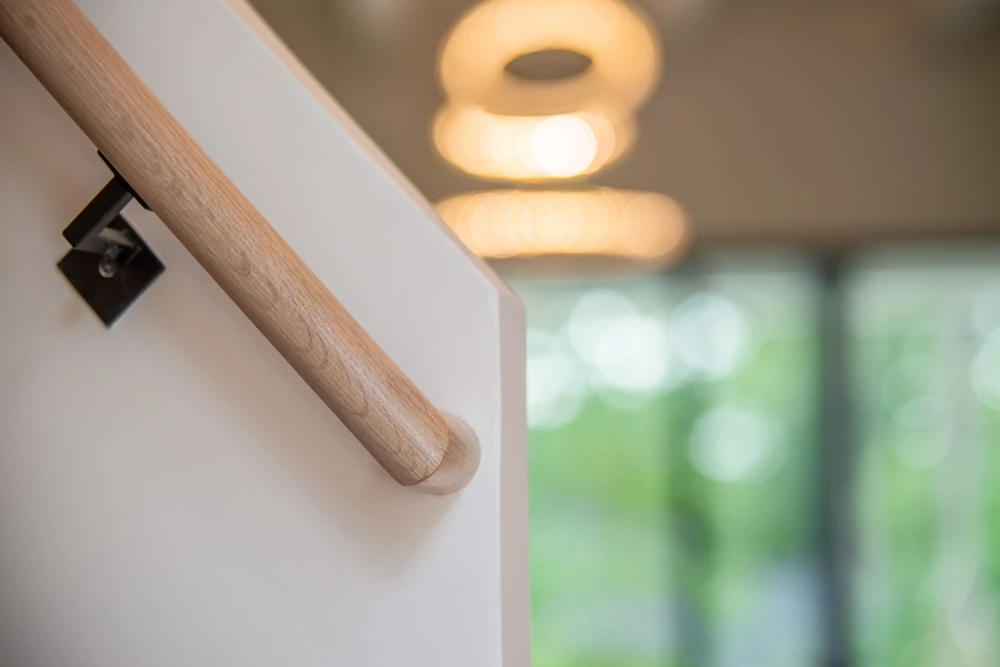
Balustrades often date a staircase more than any other element. Replacing heavy timber spindles or thick painted newel posts with slimmer profiles can instantly make an older stair feel more current.
Glass balustrades remain popular in coastal homes because they preserve sightlines and allow light to pass through more freely. Slim vertical timber balusters or minimalist metal spindles can also create a cleaner look while still feeling appropriate in an older home.
Handrails can be upgraded to smoother, simpler profiles that are easier to grip and easier to clean. In some homes, adding a rail to the opposite side of the staircase may also improve usability and safety, even where only one rail is strictly required. Under the NCC Housing Provisions, a handrail is generally required on at least one side of a stair flight, and barrier dimensions and openings are also controlled where barriers are required.
Lighting upgrades can make older staircases safer and much more inviting. Integrated LED strip lighting beneath a handrail or within adjacent detailing can gently wash light over the treads. Low-level wall lights can also help define each step more clearly at night.
Finishes are another important part of renovation work. In coastal locations, using materials and coatings suited to humidity, salt exposure and day-to-day wear can help reduce maintenance and extend the life of the renovation. Matching the staircase finish to nearby flooring, wall colours or joinery also helps the upgrade feel intentional rather than piecemeal.
In many older coastal homes, a staircase can look tired long before the main structure has actually failed. In those cases, a full replacement may be unnecessary. It is often possible to work with the existing framework and upgrade the visible components and selected structural elements instead.
The main question is whether the supporting parts of the staircase remain sound. If the stringers and surrounding structure are in good condition, renovating the stairs in place can significantly improve the look and feel of the home while reducing cost, disruption and waste.
A staircase is often a good candidate for renovation if:
In these situations, stair builders can often focus on the components that are easiest to upgrade. Treads and risers may be replaced or overclad, old carpet can be removed, and the balustrade and handrail can be redesigned to make the stair feel lighter and more contemporary.
Even if the staircase feels a little unstable, renovation may still be possible without a full rebuild. Squeaks are often addressed by tightening fixings, inserting wedges or improving support beneath the treads. Localised deterioration near the base of the stair may sometimes be repaired without replacing the entire flight.
Where moisture has affected only a limited section, selective repairs and improved protection can extend the life of the original stair. The key is making sure the remaining structure is still sound enough to justify renovation rather than just covering deeper problems.
There are limits to what can safely be achieved with renovation. If stringers are significantly decayed or split, if the stair moves noticeably under load, or if the layout cannot realistically be resolved within the requirements for the project, replacement is often the better option.
A detailed inspection helps determine whether partial retention is realistic or whether a completely new stair will deliver better long-term value, safety and function.
Not every tired staircase needs to be removed. Often, an existing stair can be transformed with new treads, balustrades and finishes. There are, however, situations where a full replacement is safer, more economical and more practical than repeated patch repairs.
If the main supporting elements of the stair are compromised, replacement is usually the safer path. Warning signs include:
In older homes, past water entry or long-term humidity can weaken timber internally even where the outside still looks acceptable. In these situations, cosmetic upgrades can hide a problem rather than solve it.
Replacement can also make sense where the existing geometry is fundamentally awkward or unsuitable. That may include a staircase that is too steep, too narrow, difficult to use comfortably, or hard to adapt to the broader renovation.
The NCC Housing Provisions set out requirements for matters such as riser and going dimensions, consistency of steps, landings, slip resistance, barriers and handrails for new building work. If the proposed renovation is substantial enough that these issues need to be addressed, a new staircase may provide a cleaner and more effective solution than trying to force the old one to work.
During larger refurbishments, a full staircase replacement can unlock much better use of space, especially in compact or awkwardly planned older homes.
It is often better to install a new stair when the goal is to:
Trying to heavily adapt an existing staircase to a new layout can sometimes become more complex than starting again. A replacement allows the stair to be redesigned as part of the broader renovation rather than treated as a leftover constraint.
Before renovating an older staircase, it is important to understand both what can safely be changed and what may be worth preserving. A staircase is often a key structural and visual feature, so condition, usability and style should all be assessed before decisions are made about finishes or decorative upgrades.
The best renovations balance the original character of the home with the practical requirements of the project. That means looking at technical details such as stair proportions, handrails and barriers while also considering timber profiles, detailing and overall fit with the home’s interior.
Older stairs may not align closely with current standards, so structural and compliance checks should come first. A professional inspection can identify loose treads, undersized or damaged structural members, movement at the landings or other issues that should be addressed before cosmetic work begins.
It is also worth checking how the proposed renovation interacts with current NCC provisions and any local approval requirements. Existing stairs are not automatically required to be fully upgraded just because standards have changed over time, but new building work to an existing home may still need to comply to the extent required for that work, and some projects can trigger additional upgrade expectations.
How the staircase is used day to day should shape the renovation. If it is the main stair used by the whole household, comfort, grip, visibility and clear movement become priorities. In some homes, small changes to surrounding finishes, lighting and storage can significantly improve the way the stair functions without changing its core structure.
It is also worth considering who uses the staircase. Families with young children may focus on barrier safety and avoiding climbable detailing, while older occupants may value a more supportive rail, improved lighting and better slip resistance. The NCC includes specific barrier opening limits and handrail requirements for housing work, which are worth checking during design.
Older staircases often include details worth keeping. Original newel posts, timber treads and shaped handrails can sometimes be repaired, refinished or subtly modified rather than removed altogether. Blending restored original elements with cleaner new finishes often gives the best result in period homes.
Coastal locations also introduce extra material considerations. Salt-laden air, humidity and day-to-day moisture exposure can shorten the life of unprotected metals, lower-grade timbers and inferior fixings. Choosing materials and finishes suited to those conditions helps protect both appearance and performance over time.
Renovating a staircase in an older coastal home is not just about updating a worn feature. It is about improving the way the home feels, functions and connects from one level to the next. From refinishing original timber and simplifying dated balustrades to introducing lighter colours, better lighting and safer detailing, the right choices can make a staircase feel fresh without stripping away the home’s character.
The most successful staircase renovations balance appearance with practicality. That means considering structure, daily use, coastal durability and the approval requirements that apply to the work being proposed. When planned carefully, a staircase renovation can become a standout feature that improves safety, opens up the interior and adds long-term value to the home.

