What to Expect at Your Staircase Design Consultation: A Practical Guide for Homeowners
December 19, 2025


Planning a new staircase or upgrading an existing one is a decision that affects how your home looks, feels and functions every day. For homeowners researching stair builders in Wollongong, a staircase design consultation is the first and most important step in turning ideas into a safe, compliant and visually cohesive feature. At Coastal Stairs, we use this consultation to understand not just the space, but how your household lives, moves and interacts with the home.
A well-run consultation removes guesswork by allowing practical constraints, design preferences, safety considerations and budget expectations to be discussed openly before drawings or quotes are prepared. Understanding what this meeting involves helps homeowners get more value from the process and leads to stronger long-term outcomes.
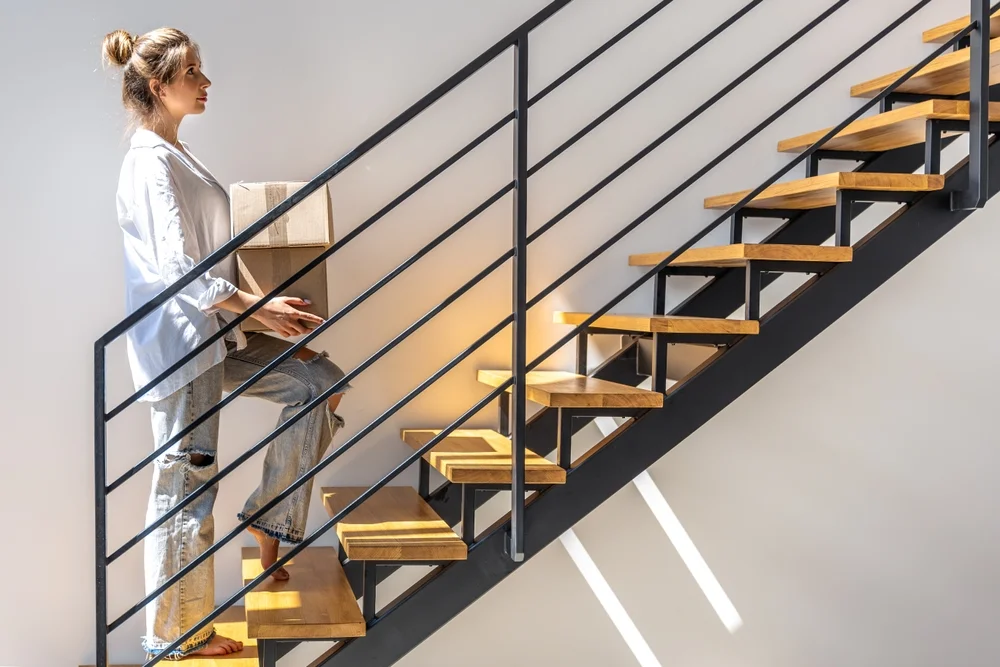
Preparation sets the tone for a productive consultation. While a professional stair builder will guide you through technical considerations, arriving with a clear understanding of your needs and constraints helps streamline the process and leads to more accurate advice. This preparation ensures expectations are realistic and aligned with what is structurally sound and compliant for your home.
Before the consultation, it helps to think through how the staircase needs to function in your daily life. These questions shape early design decisions and allow the consultation to focus on refining practical solutions rather than uncovering basic requirements. Consider asking yourself:
Visual and dimensional information improves the accuracy of early advice. While your stair builder will take their own measurements later, reference materials help them understand context, proportions and constraints from the outset. Even incomplete information is helpful; it allows potential challenges to be identified early. Here are some useful items to bring:
Staircases are highly regulated building elements, and compliance is not optional. A key part of the consultation involves explaining how Australian standards and local building requirements influence design decisions. Understanding these requirements early helps homeowners see why certain design ideas may need modification and prevents costly redesigns later. Topics often covered include:
While final decisions don’t need to be made before the consultation, having a sense of preferred styles and materials helps guide the discussion. Different options have distinct visual, structural and maintenance implications. Discussing these preferences early allows your builder to tailor concepts that suit your taste and your home’s architecture. Consider the following factors:
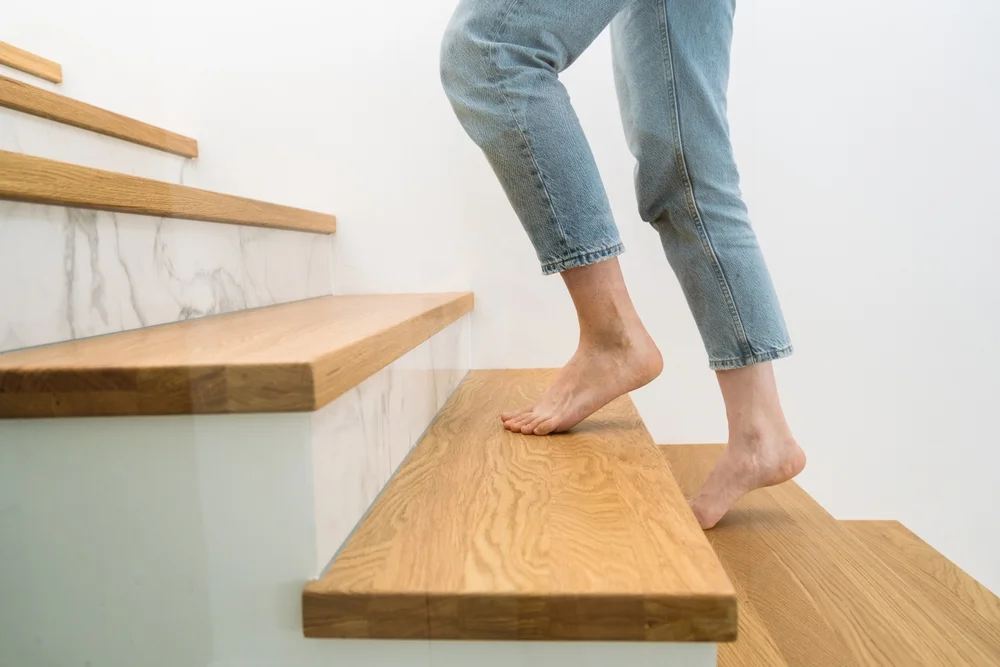
A staircase design consultation works best when it is treated as a two-way discussion rather than a one-sided presentation. This is where professional experience and homeowner insight come together to shape a staircase that performs well in everyday life, not just on drawings. Clear communication and informed questions help surface potential challenges early, ensuring the final solution is practical, compliant and suited to how the home is actually used.
Many worry they need technical knowledge to explain what they want, but effective communication is more about intent than terminology. During a staircase consultation, explaining why certain features matter to you often provides more insight than attempting to describe construction details. This approach helps the stair builder understand priorities such as comfort, safety, appearance and long-term usability. Effective ways to communicate your needs include:
The consultation is also an opportunity to assess the experience, process and transparency of their stair builder. Asking thoughtful questions helps establish trust and ensures both parties have aligned expectations before design work progresses. It also provides insight into how challenges are managed and how decisions are justified. Here are some good questions to ask:
Every home presents its own set of design constraints, whether due to space limitations, ceiling heights, existing structures or access issues. One of the most valuable aspects of a consultation is identifying these challenges early and discussing realistic ways to address them without compromising safety or usability. Understanding trade-offs helps make informed decisions and prevents unexpected changes during construction. Common issues and practical approaches include:
The final part of the consultation focuses on what happens after the meeting, giving homeowners a clear roadmap of the next steps. This transparency is essential for budgeting, scheduling and coordinating with other trades or approvals, particularly in renovation or multi-stage projects. Knowing the sequence helps homeowners feel confident, organised and in control as the project moves from concept to construction. Typically, the process is:
A staircase design consultation is about more than choosing a look; it establishes the foundation for a staircase that is safe, durable and properly integrated into your home. With the right preparation and an experienced stair builder guiding the process, it becomes a confident first step rather than an overwhelming decision point. If you’re planning a new staircase or upgrading an existing one, our team will walk you through design options, compliance requirements and realistic timelines so there are no surprises later. Book a staircase design consultation with Coastal Stairs today and take the first confident step towards a staircase that’s built to last, safe to use and designed for your home.

